More transaction detail
Transmit invoice, tax and line-item information beyond the basic card amount and authorization data.
Level 3 processing adds detailed tax, invoice and line-item information to qualifying commercial card transactions. Crimson helps retailers capture, validate and transmit that data as part of the payment workflow.
Transmit invoice, tax and line-item information beyond the basic card amount and authorization data.
Support business, corporate, purchasing and government card programs where enhanced data is accepted.
Qualifying transactions may be eligible for more favorable interchange treatment when required data is complete and valid.
A standard card payment typically includes the account, amount and authorization information needed to complete a transaction. Level 3 adds detailed purchase information that helps issuers and commercial cardholders understand what was purchased.
The enhanced data can also help qualifying merchants meet processor and card-brand requirements for optimized commercial-card interchange categories. Eligibility varies by card type, processor, merchant category and data quality.
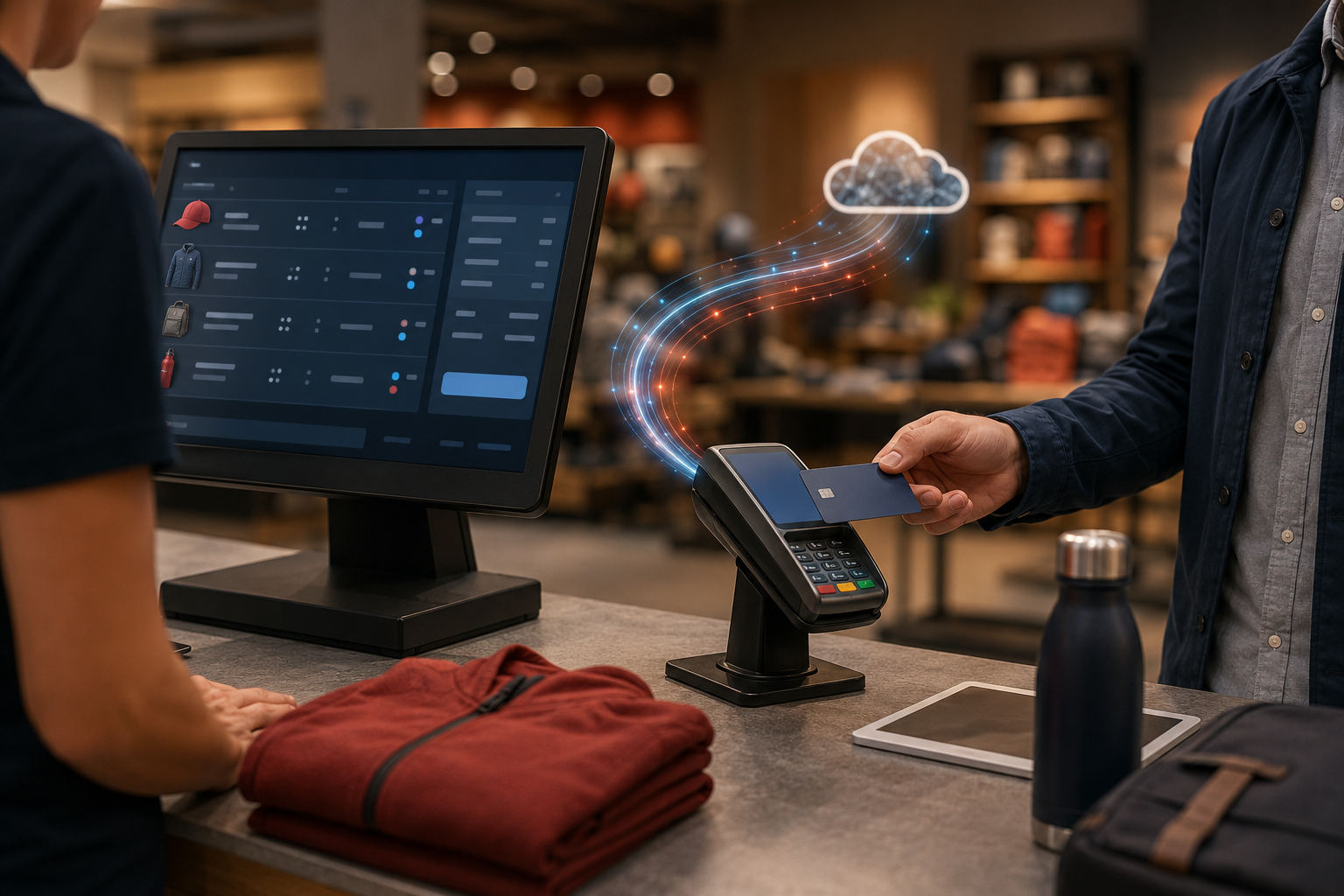
Exact requirements vary by processor and card program, but a complete Level 3 record commonly includes transaction-level and line-item details.
Invoice number, customer reference, purchase order number and order date.
Tax amount, tax indicator, tax-exempt status and related jurisdictional data where required.
Product description, SKU, commodity code, UPC or other item identifier.
Quantity purchased, unit of measure and any applicable conversion values.
Unit price, discount amount, extended line amount and net line total.
Shipping, freight, duty and destination information when supported by the processor.
The line items belong to the sale, while the enhanced payment record is associated with the applicable tender. Crimson brings those pieces together before submitting the transaction to the processor.
The POS or order system records products, quantities, prices, discounts, tax, freight and customer references.
The commercial card transaction is processed through the selected payment device, gateway or processor integration.
Crimson checks required transaction and item fields, data lengths, amounts and totals before submission.
Level 3 information is transmitted with or after the tender according to the processor's certified interface.
The processor and card network determine whether the transaction meets the applicable commercial-card data and interchange rules.
| Processing level | Typical information | Common use |
|---|---|---|
| Level 1 | Card account, transaction amount, merchant and authorization information. | General consumer card transactions. |
| Level 2 | Level 1 information plus tax and selected customer or invoice references. | Business and commercial card transactions requiring summary purchase data. |
| Level 3 | Level 2 information plus detailed product, quantity, unit-cost, discount, tax, freight and line-total data. | Corporate, purchasing and government card transactions where detailed purchase information is supported. |
Sending extra fields does not guarantee lower interchange. The transaction must use an eligible card, meet the processor's requirements and include complete, accurate data within the required timeframes.
Crimson can connect transaction details from the point of sale with the payment tender, helping organizations submit consistent enhanced data across their enterprise.
Capture item, tax, discount and reference data at the source.
Check required values, formats and mathematical totals before submission.
Map enhanced data to supported processor and gateway interfaces.
Identify missing data, rejected records and qualification exceptions.
Review your processor, commercial-card volume, available transaction data and integration requirements with our team.